

Video Interactive Guidance (VIG) Programme
Current Filed program & Initiatives
Our Impact History & Excellence Awards
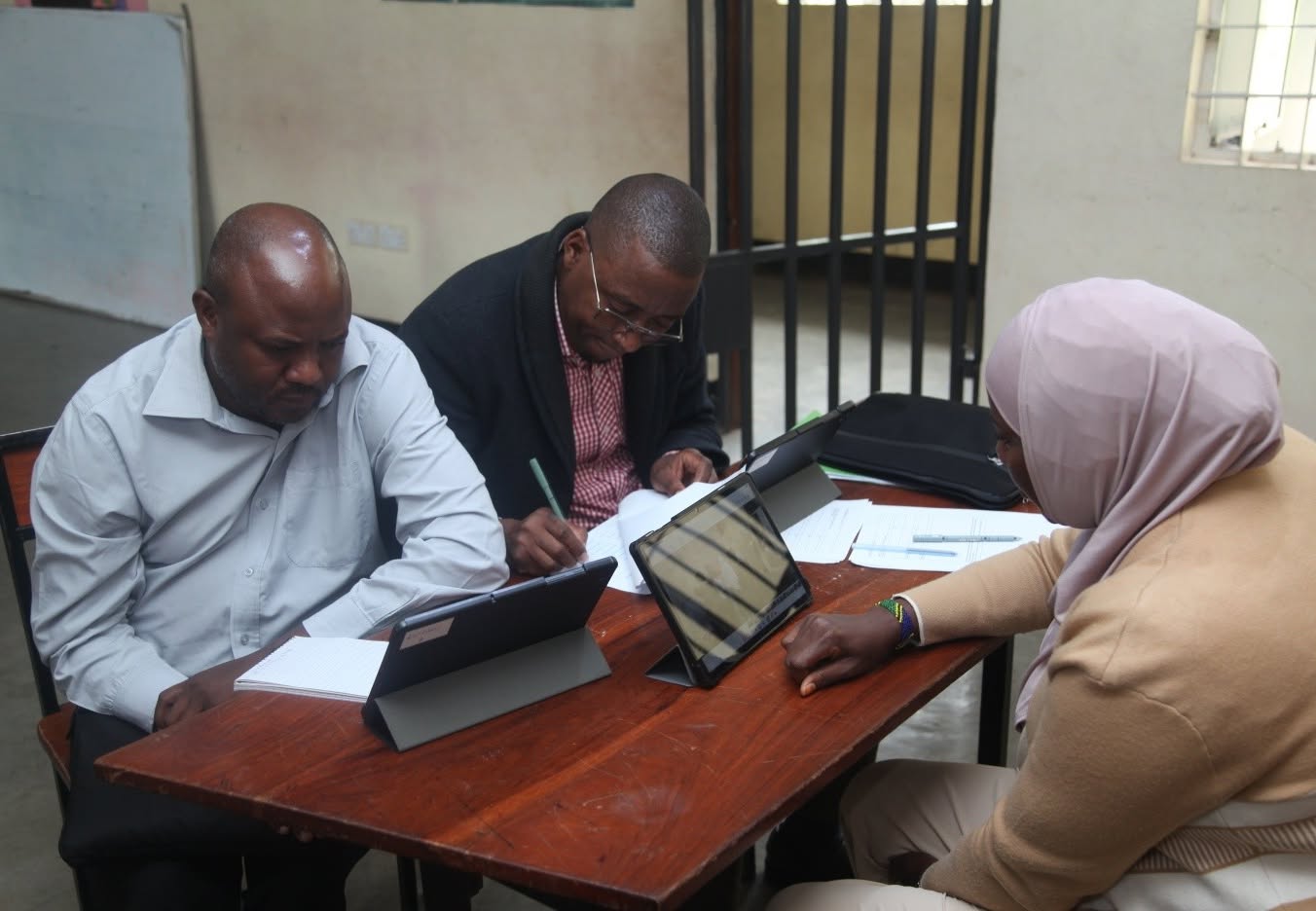
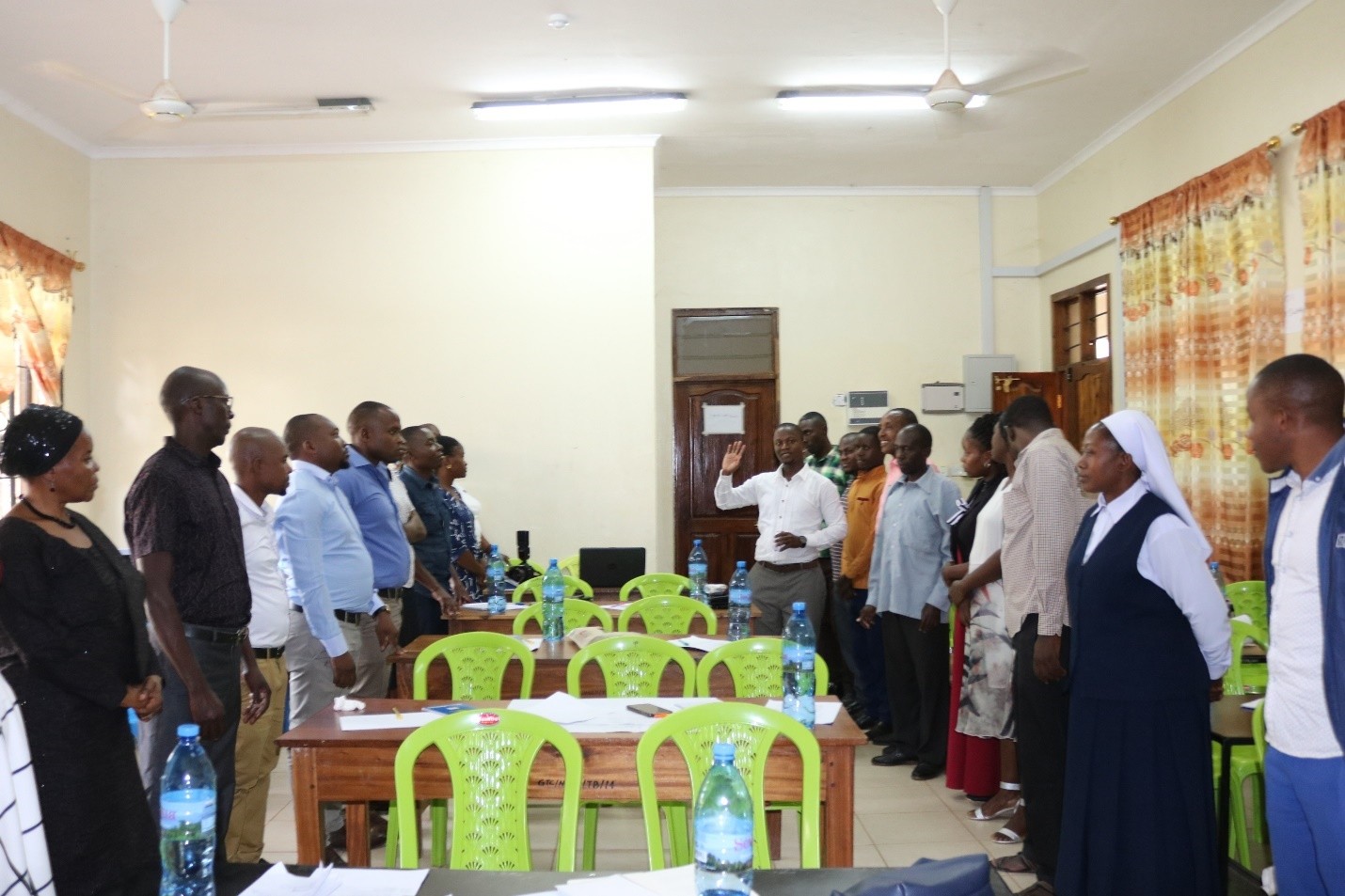
The Video Interactive Guidance (VIG) Programme, implemented by OSNET with the support of a team of 8 trained VIG coaches, is a practical coaching approach that helps educators strengthen their communication, interaction, and teaching skills through the use of video feedback.
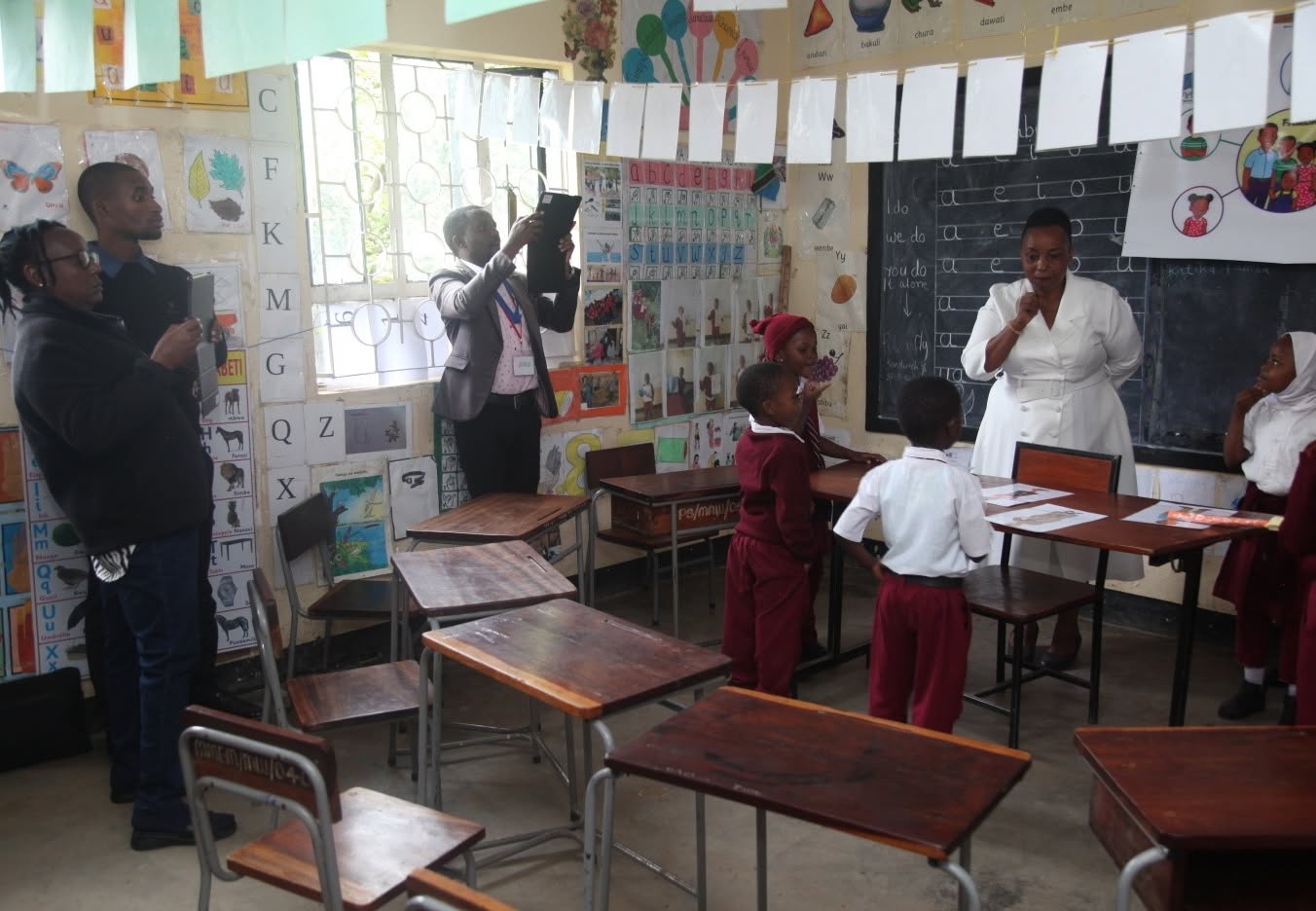
VIG focuses on positive interactions between educators and learners. Short video recordings of real classroom or learning situations are reviewed together with a trained VIG coach. The coach helps the educator identify successful moments of interaction and communication and explore how these positive approaches can be strengthened and used more effectively in future teaching.
The programme is particularly useful for educators working with deaf and hard-of-hearing learners and children with additional learning needs, as it promotes responsive communication, positive relationships, learner engagement, and effective teaching practices.
Educators interested in developing their skills through the VIG programme can contact OSNET directly or communicate with any of the 8 trained VIG coaches listed below. The coaches can provide information about the programme, registration, scheduling, and the practical steps required to participate.
Through VIG, OSNET aims to strengthen educators’ professional practice by providing individualized coaching, reflection, and practical feedback based on real classroom interactions.
For registration or further information: Educators may contact OSNET directly or reach out to one of the VIG coaches listed below.
How to Register and Access the Course
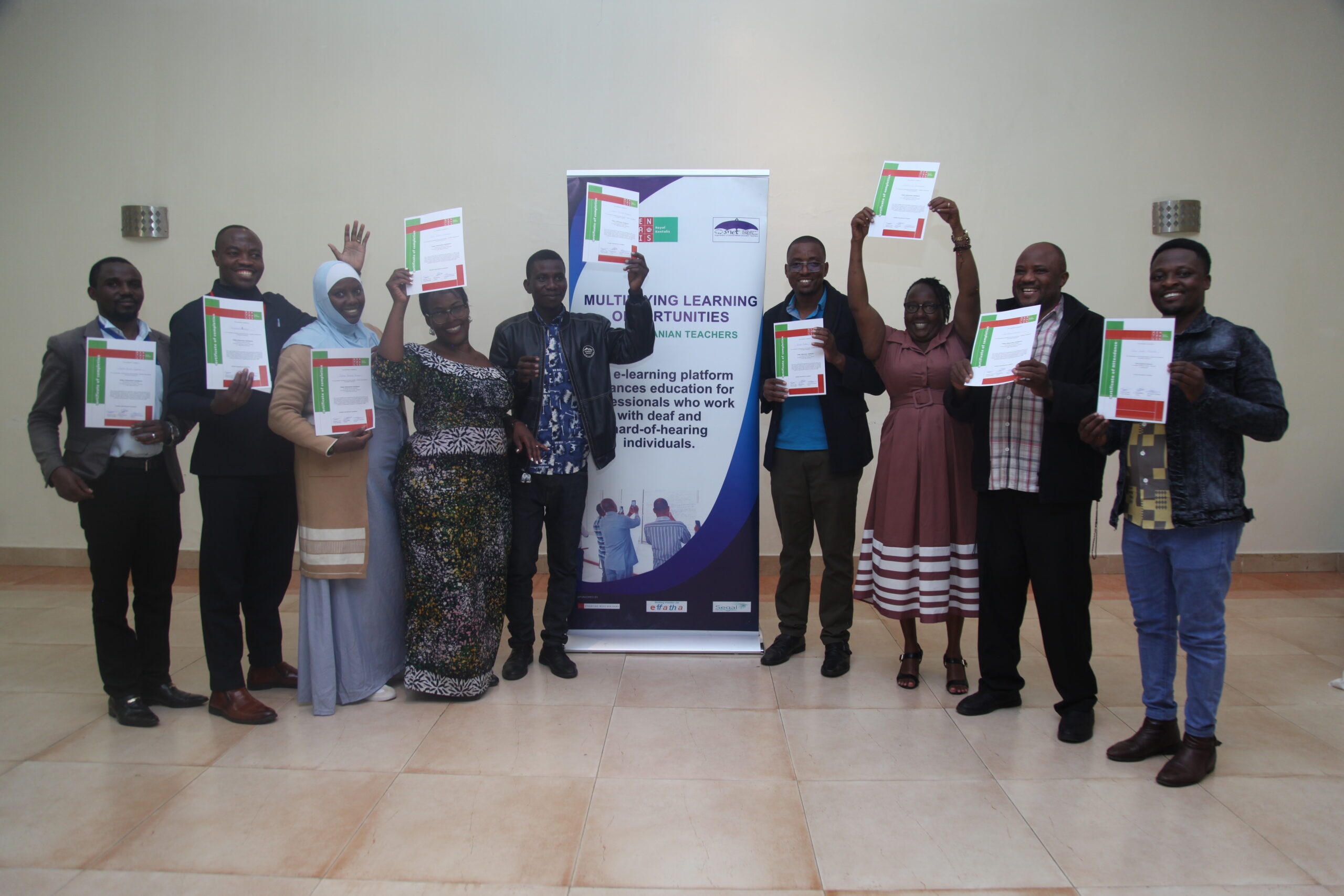
Educators interested in undertaking the RMEL e-learning course can register through e-learning platform. Upon registration and confirmation of participation, educators will receive the necessary information and credentials to access the online learning platform.
After receiving their login details, participants can access the course, complete the modules, and monitor their learning progress online. Participants may also receive mentorship and technical support from OSNET’s network of 13 RMEL coaches, who are based in different regions of Tanzania.
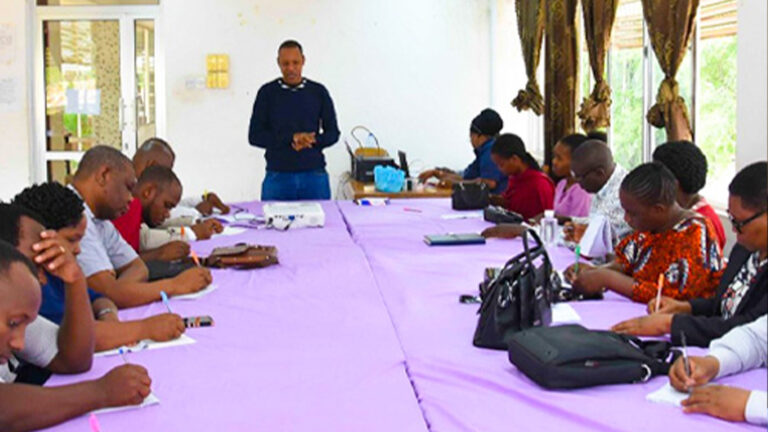
The online learning is complemented by on-site practical workshops, where participants have an opportunity to practise the methodology, receive coaching, and apply the knowledge gained from the e-learning modules in real classroom settings.
Please contact us through our contact page. For registration or further information, educators and organizations can contact OSNET to request enrolment and guidance on accessing the RMEL course.
Our RMEL Coaches and Mentorship Team
The Organisation of Special Needs Education Teachers (OSNET) has established a network of 13 trained Reading Method for Early Literacy (RMEL) coaches drawn from different regions of Tanzania. The coaches play an important role in supporting the implementation and sustainability of the RMEL programme by providing mentorship, guidance, and practical support to educators interested in undertaking the course.
The RMEL coaches are equipped to support teachers in understanding and applying effective approaches to early literacy development for deaf and hard-of-hearing (DHH) learners. Through ongoing mentorship, coaches help educators translate the knowledge and skills gained through the online course and on-site workshops into practical classroom strategies.
The coaches also support educators to strengthen their understanding of the Reading Method for Early Literacy, including the four-step reading approach, language development, vocabulary building, reading comprehension, and the use of appropriate visual teaching strategies.
OSNET’s network of 13 coaches provides an important foundation for continuous professional development and peer support. Educators undertaking the RMEL course can receive guidance before, during, and after training, helping them build confidence and competence in applying the methodology.
Through this coaching network, OSNET, in collaboration with the Kentalis International Foundation, aims to expand access to quality literacy support and strengthen the capacity of teachers working with deaf and hard-of-hearing learners across Tanzania.
Sign Language Clubs
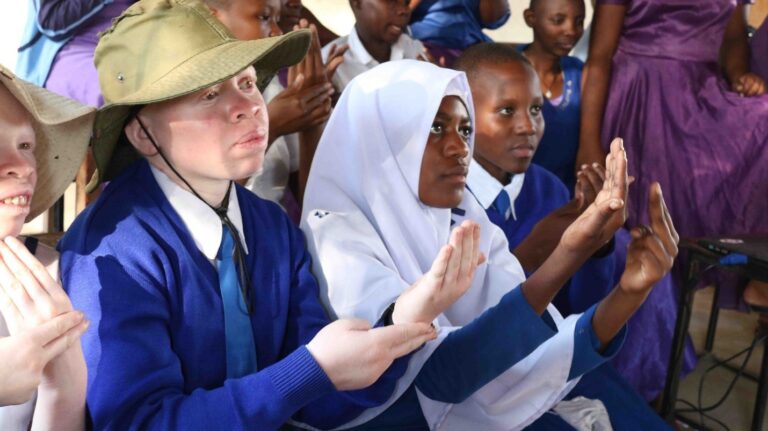
The objective of creating Sign Language Clubs in 49 inclusive schools across Tanzania has been to promote communication, mutual understanding, and equal participation among deaf and hearing students. These clubs aim to bridge language barriers, foster friendships, and reduce stigma by equipping students with basic sign language skills. They serve as safe spaces for interaction, awareness, and cultural exchange, enabling learners to appreciate diversity. Ultimately, the initiative strengthens inclusion, empowers deaf students, and nurtures a supportive school environment.
Students Award and Inspiring Inclusive Leadership
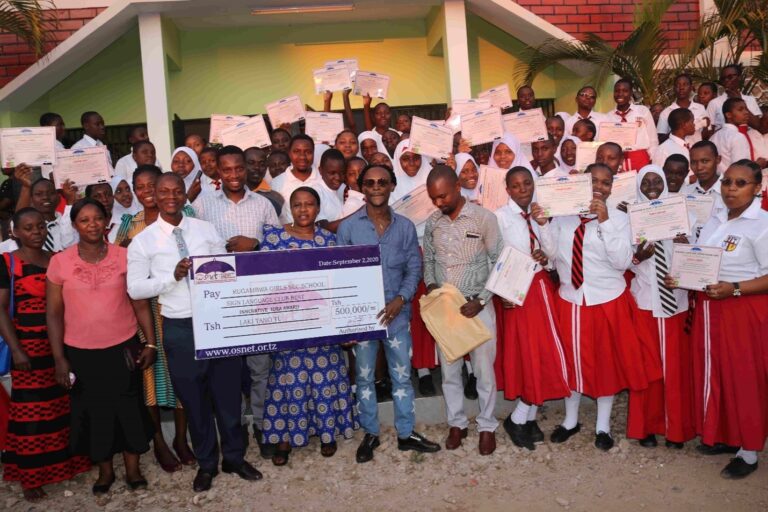
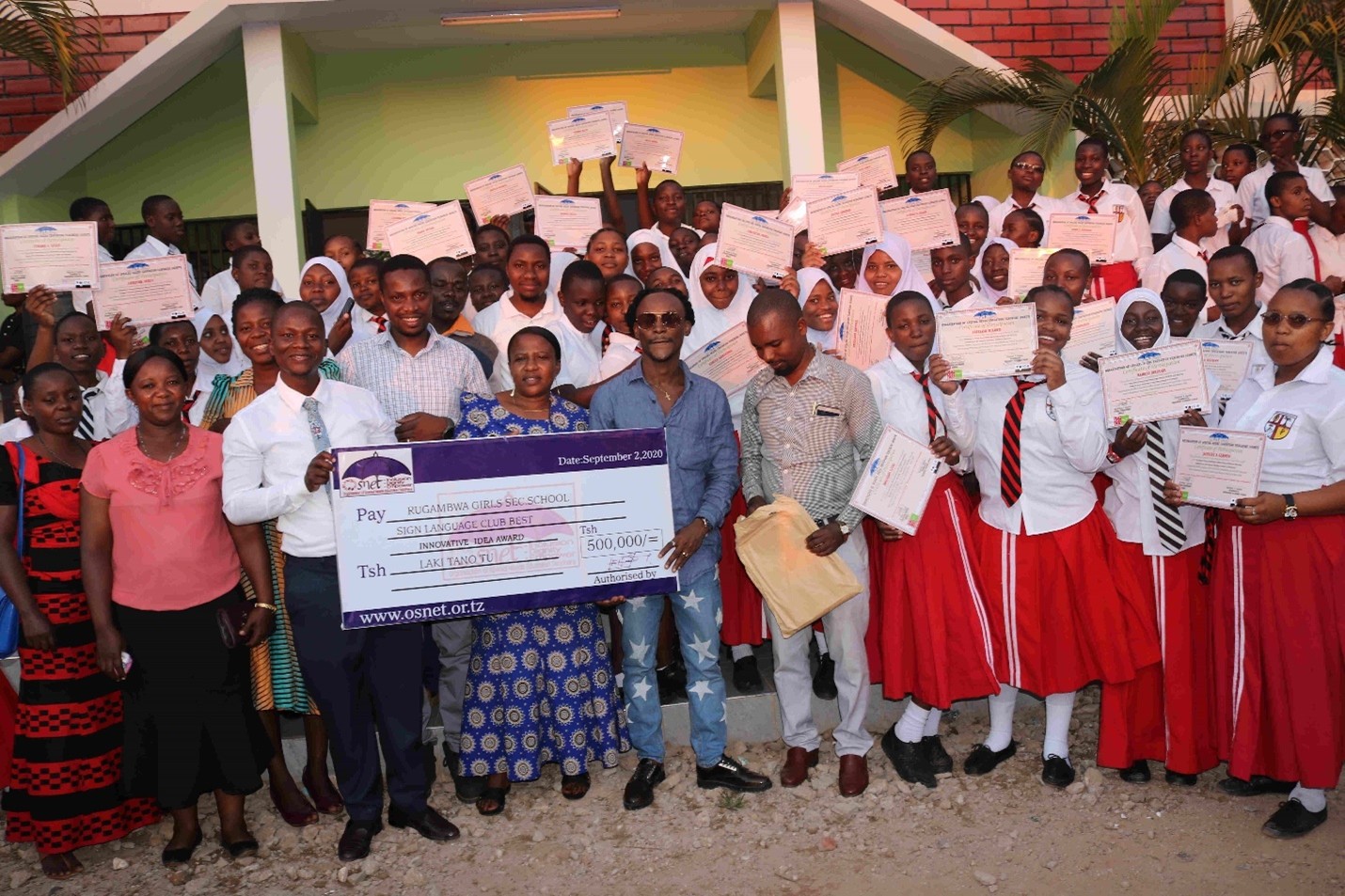
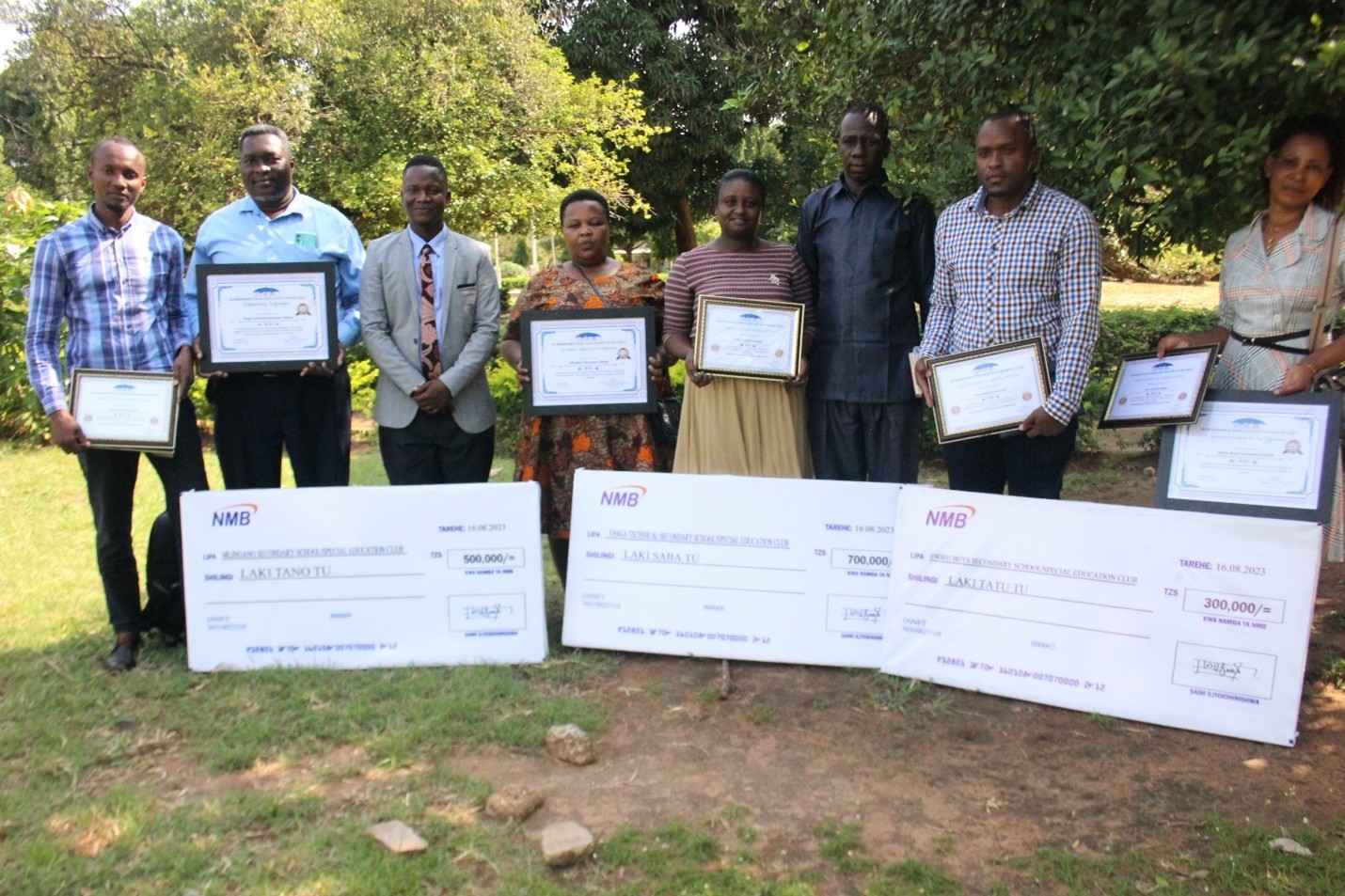
OSNET offers awards and certificates to recognize students and schools that excel in promoting inclusion, celebrating their efforts as role models for others. This recognition motivates wider participation, instills pride, and encourages consistent commitment to inclusive practices. By honoring their achievements, OSNET nurtures confidence and leadership skills among young people, inspiring them to view inclusion as part of human rights values. Such recognition cultivates a spirit of activism, preparing future advocates who will champion equality, diversity, and social justice.
Gathering Insights for Project Improvement
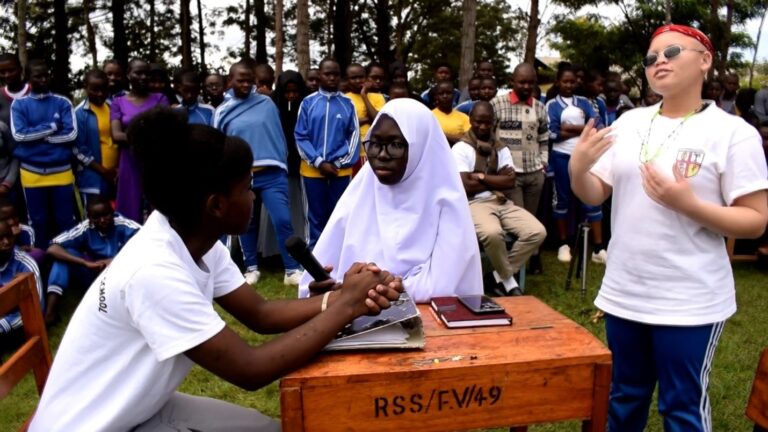
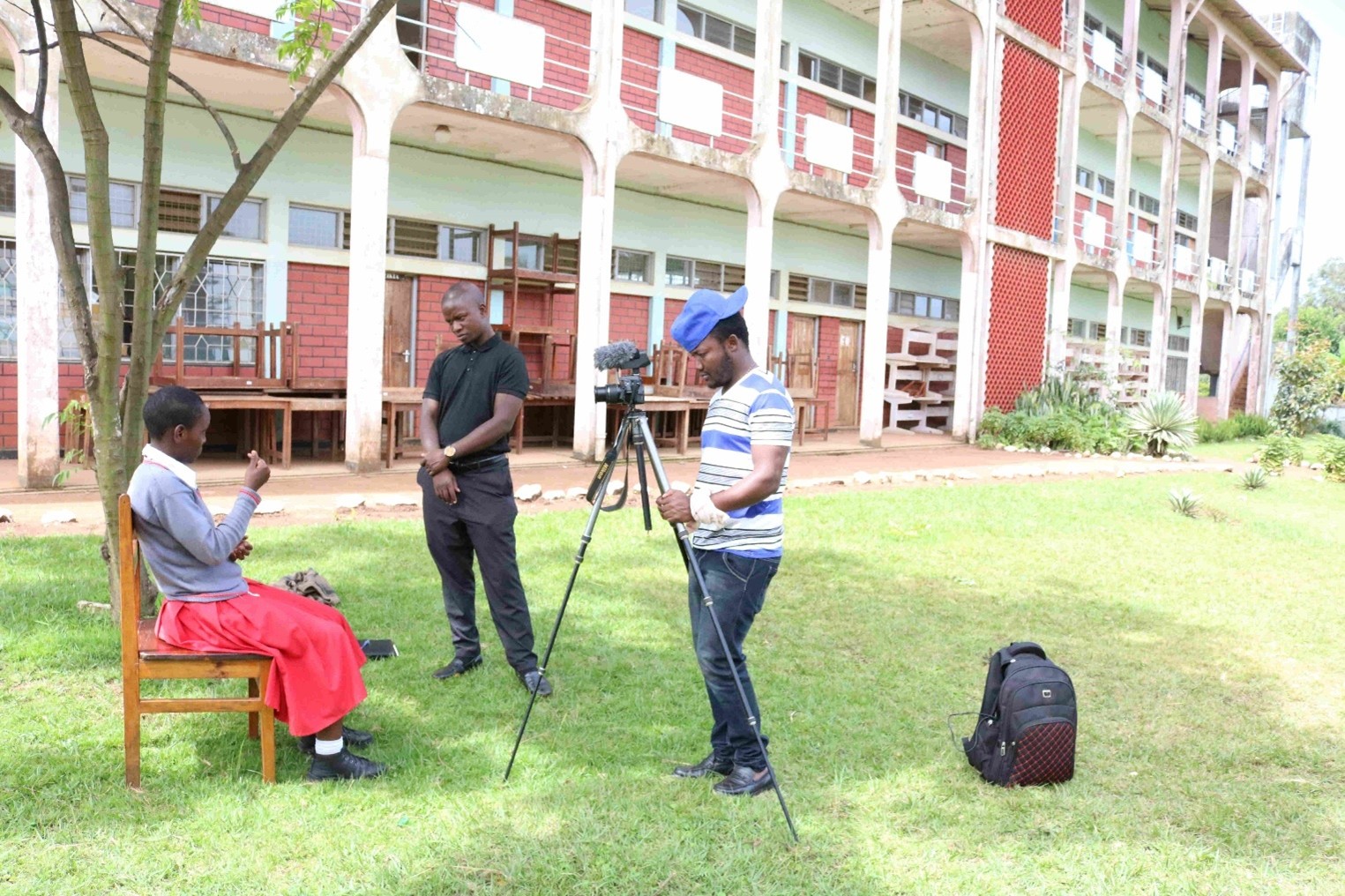
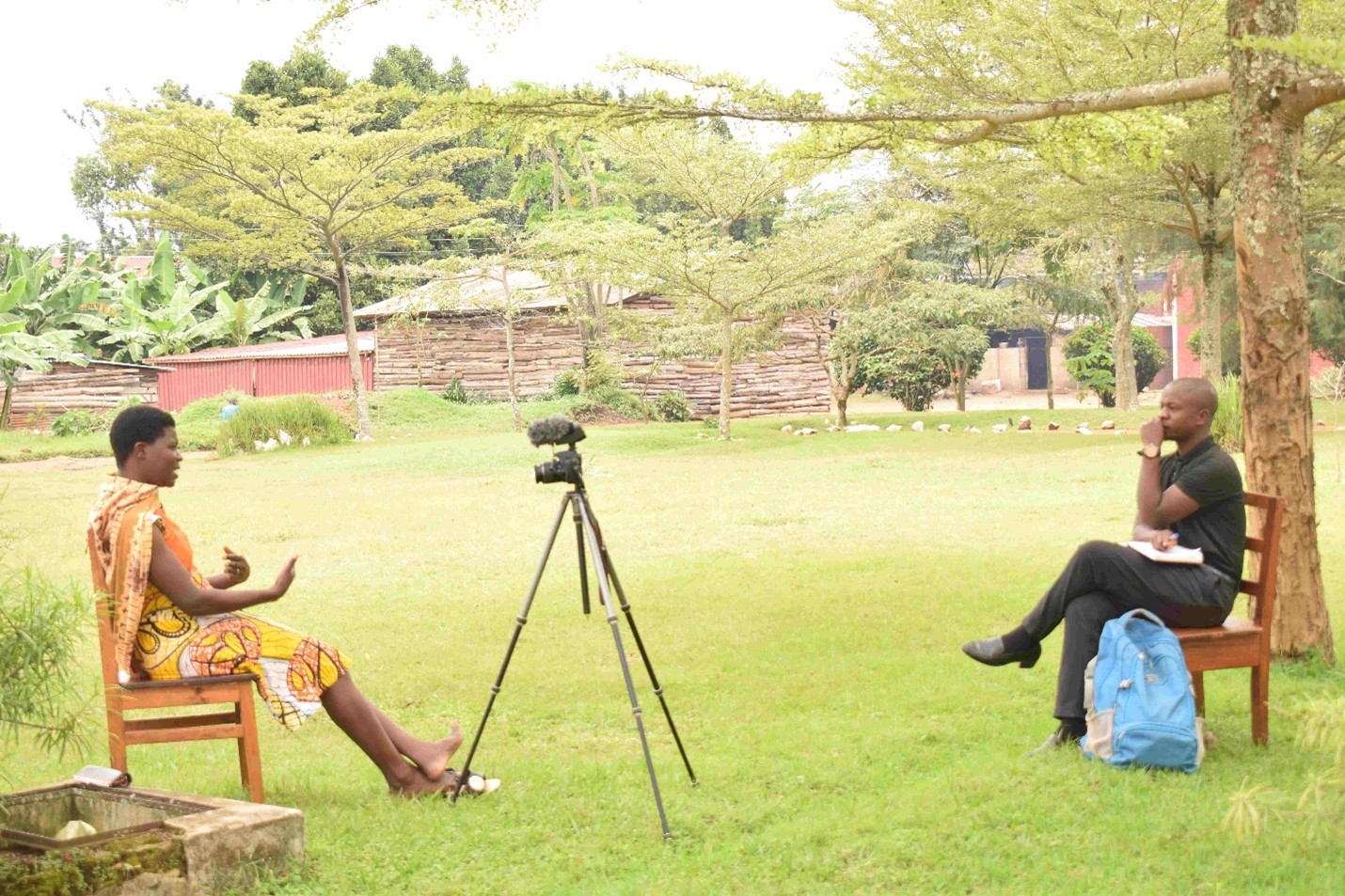
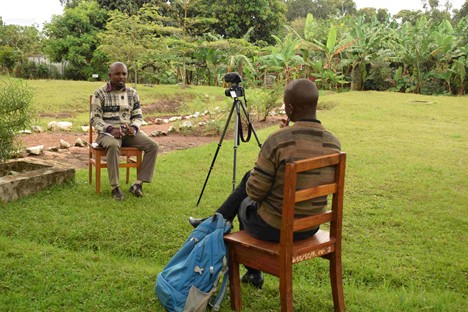
We conduct interviews with teachers and students to gather firsthand insights on the effectiveness and impact of its projects. These interviews help identify successes, challenges, and areas needing improvement, ensuring that project developments are responsive to actual needs. Engaging participants directly promotes ownership, accountability, and inclusive decision-making. The feedback informs better strategies, enhances teaching and learning practices, and strengthens project outcomes. Ultimately, this participatory approach ensures that OSNET’s interventions are relevant, sustainable, and impactful for all learners.
Celebrating Excellence in Special Education Teaching
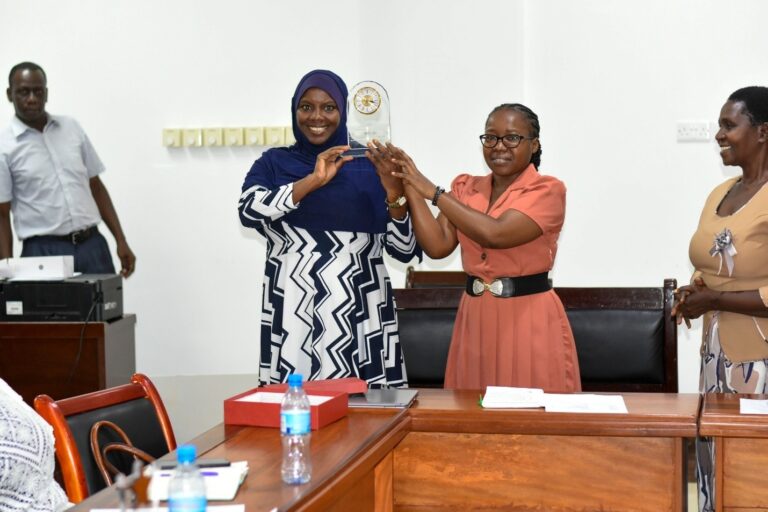
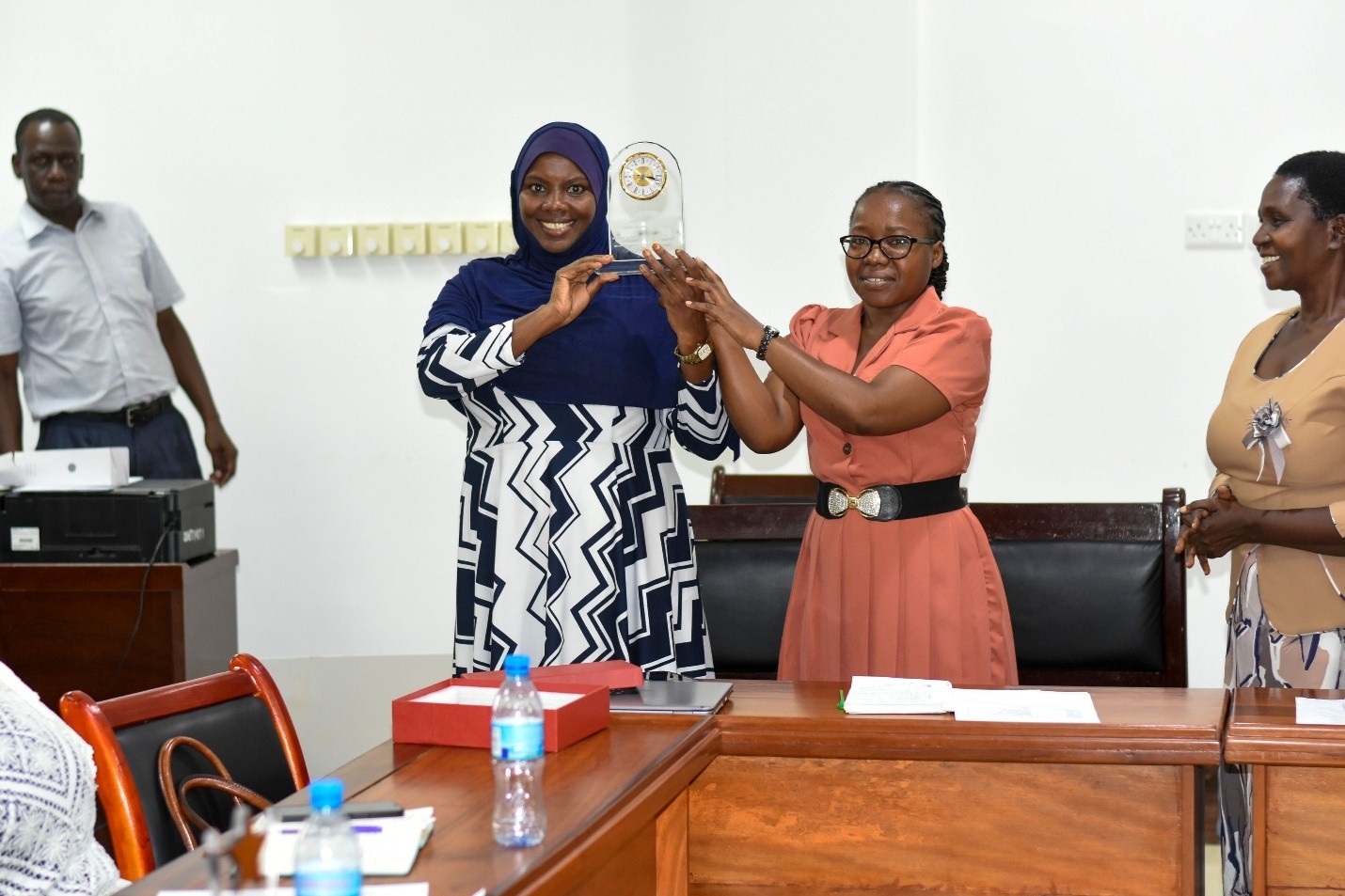
OSNET offers awards and recognition for the Special Education Teacher of the Year to honor their exceptional dedication and impact in fostering inclusive learning. This recognition highlights their innovation, resilience, and commitment to empowering students with diverse needs. By celebrating individual excellence, OSNET inspires other teachers to adopt best practices, promotes professional pride, and strengthens the culture of inclusion, ensuring teachers feel valued as key drivers of educational transformation.
Honoring Excellence in Inclusive Education for Heads of Schools
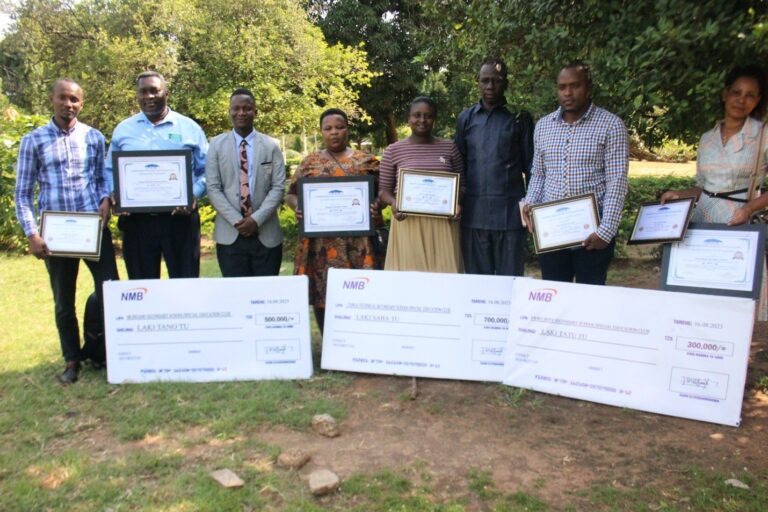
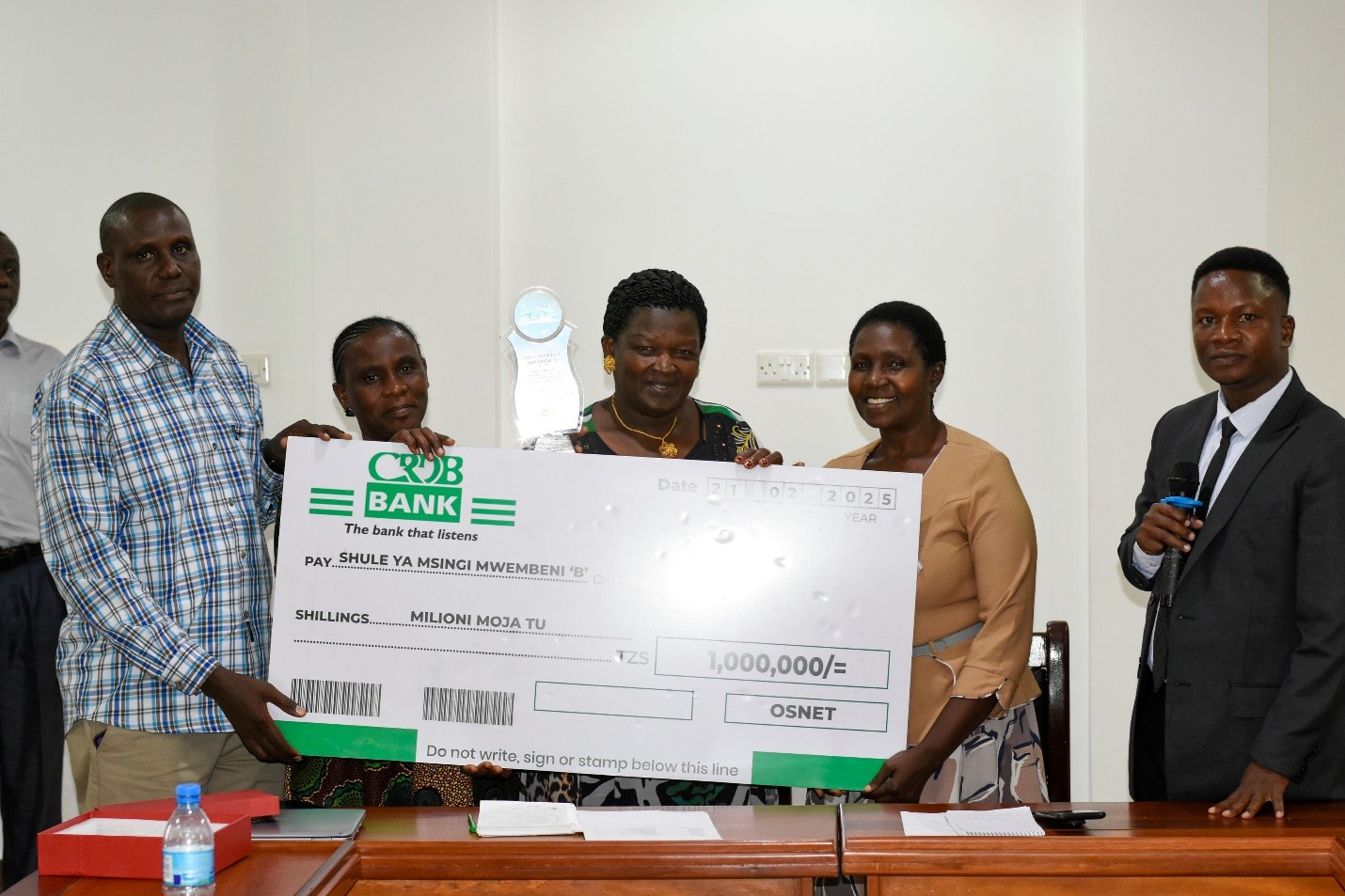
We offer annual awards to schools and heads of schools who demonstrate outstanding commitment to inclusive education and project implementation. These awards acknowledge leadership, innovation, and dedication in creating learning environments where all students, including those with disabilities, are valued and supported. By recognizing such efforts, OSNET motivates other schools to adopt inclusive practices, promotes healthy competition, and fosters a culture of excellence. The awards also strengthen collaboration, highlight best practices, and encourage sustainability, ensuring long-term impact in inclusive education.
Career And Talents Development for Students
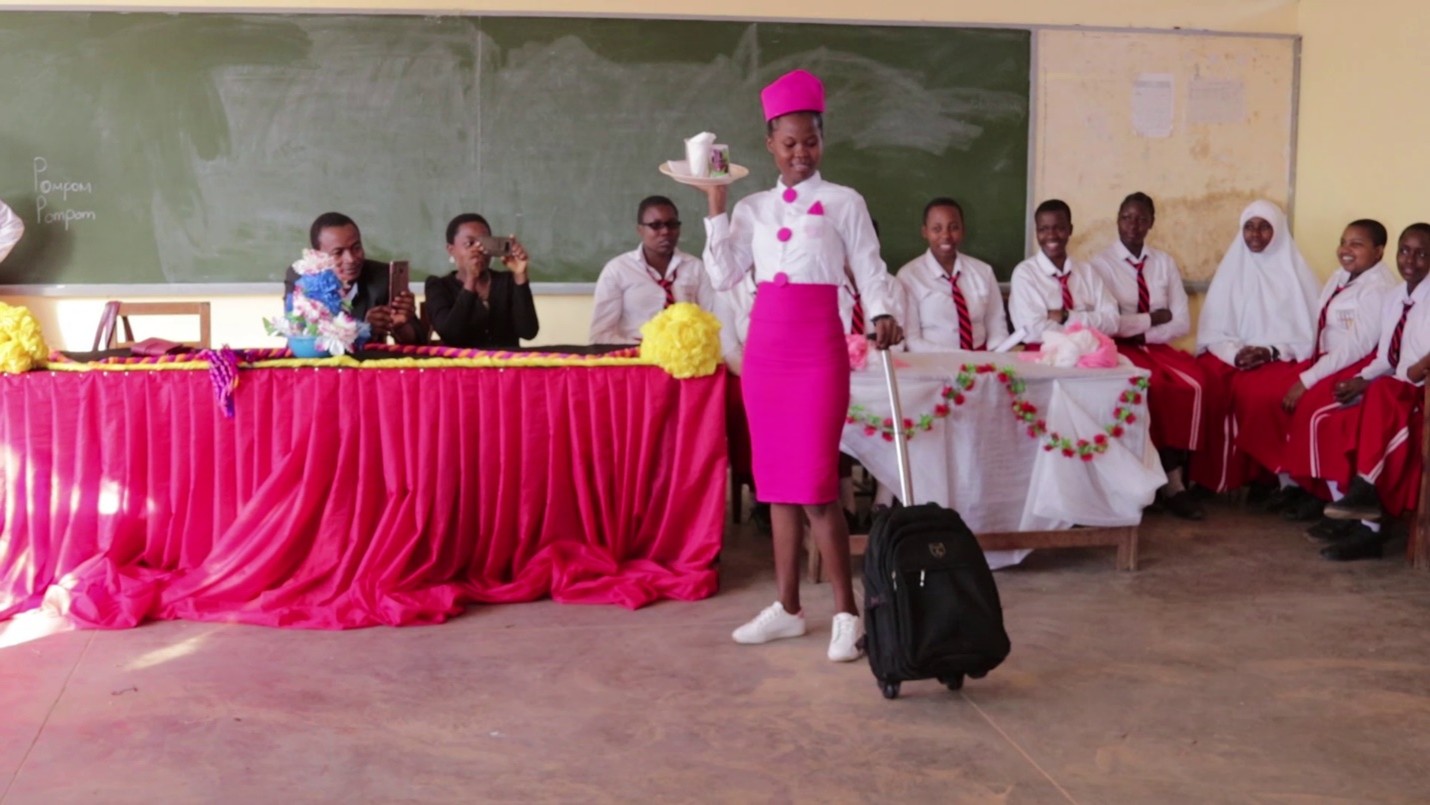
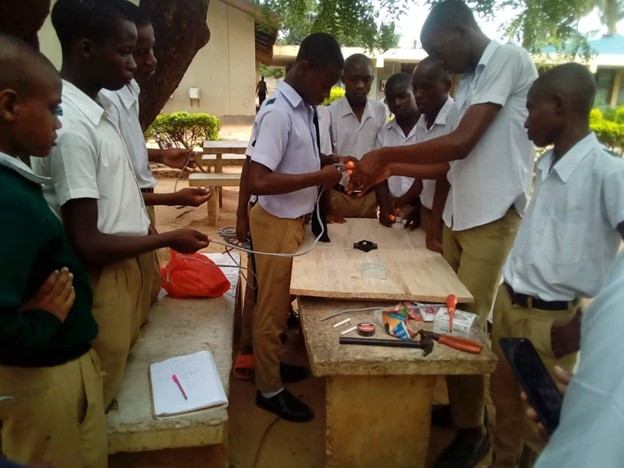
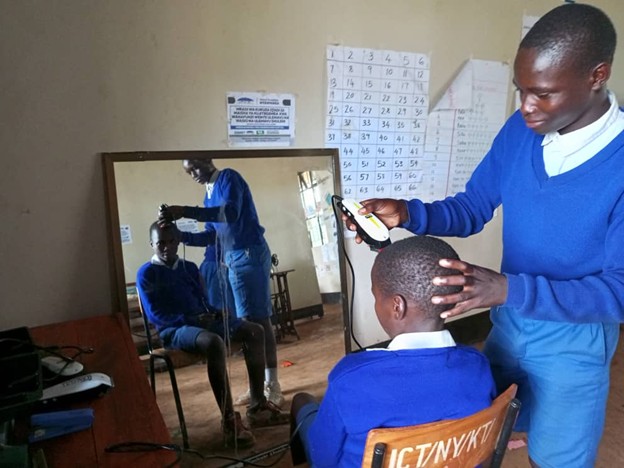
OSNET develops students’ talents and careers while at school to equip them with skills, confidence, and opportunities for future success. By nurturing individual abilities, encouraging creativity, and providing career guidance, OSNET helps students explore their potential and make informed choices about their futures. This approach fosters self-reliance, leadership, and problem-solving skills, while promoting inclusivity and equal opportunity. Ultimately, empowering students early prepares them to contribute meaningfully to society, pursue professional ambitions, and become responsible, skilled, and confident citizens.
Impacts and Achievements

Strengthening Teacher Capacity for Inclusive Education
OSNET has empowered over 2,170 teachers across Tanzania through targeted professional development focused on inclusive teaching methodologies, classroom management, and the use of assistive technologies. These programs equip educators with the practical skills needed to support learners who are deaf, hard of hearing, visually impaired, or facing other learning challenges. Beyond training, OSNET provides mentorship, peer-learning sessions, and workshops that create a strong professional community of special needs educators. This support has improved teacher confidence, enhanced student engagement, and raised overall teaching quality, strengthening Tanzania’s inclusive education system.
Empowering Students Through Skills, Support, and Self-Reliance
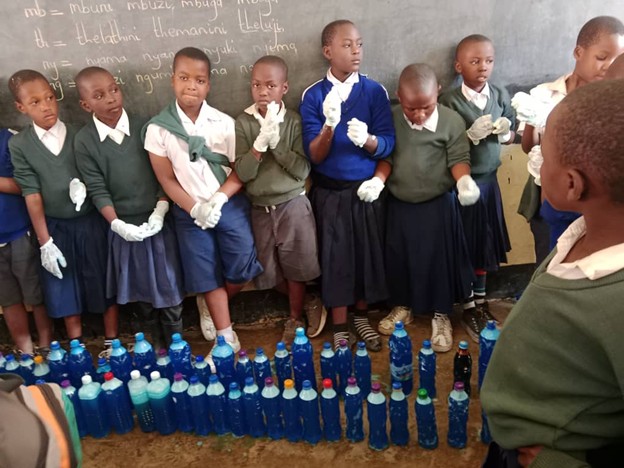
Reaching more than 16,719 students, OSNET’s empowerment initiatives provide learners with academic support, assistive devices, and life skills training that promote independence and personal growth. Through vocational and entrepreneurship programs, students develop communication, problem-solving, and financial literacy skills that prepare them for self-sustaining futures. The organization also runs mentorship and leadership programs that help students build confidence, express themselves, and participate actively in school and community life. These combined efforts enhance resilience, improve academic engagement, and ensure that learners with special needs can thrive and contribute meaningfully to society.

Driving Policy Change and Expanding Community Support for Inclusion
OSNET has played a leading role in shaping inclusive education policies through advocacy, stakeholder dialogues, and collaboration with policymakers, school leadership, and community actors. Its efforts have advanced Sign Language programs, improved resource allocation, and strengthened national commitment to the rights of learners with disabilities. Through partnerships with local and international organizations, OSNET promotes evidence-based policy development and greater community involvement in inclusive education. Volunteer mobilization in 16 schools has further expanded teaching capacity, fostered teamwork, and ensured that inclusive practices reach more learners effectively and sustainably.
